


Description
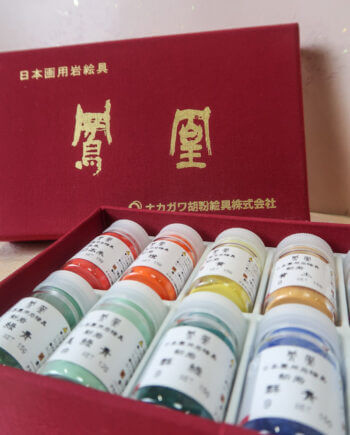
One of the most ancient forms of pigments–its use dating back to ancient Egypt–natural mineral Pigments are found naturally in exposed edges of streams, rivers, and lakes. The minerals are collected and powdered to a specific texture, and mixed with a binder (like nikawa) to make a vibrant, long-lasting paint that is often used in traditional Japanese paintings.
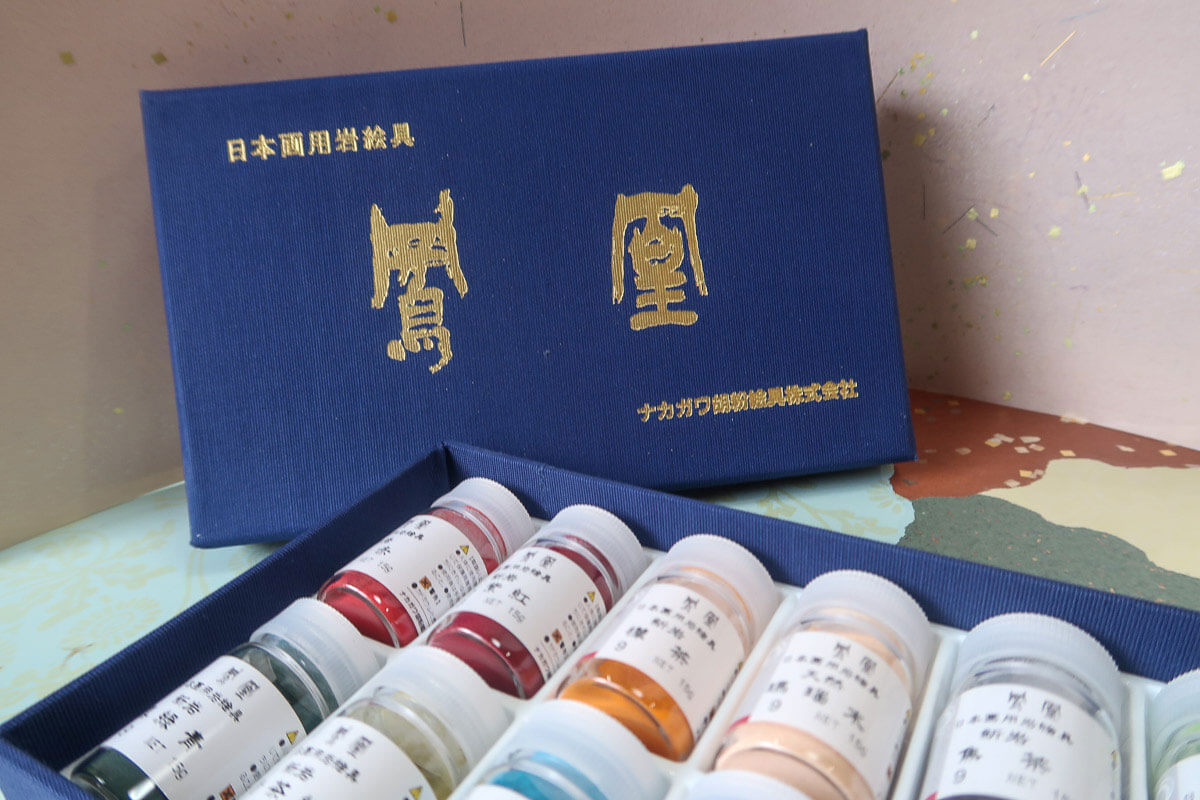
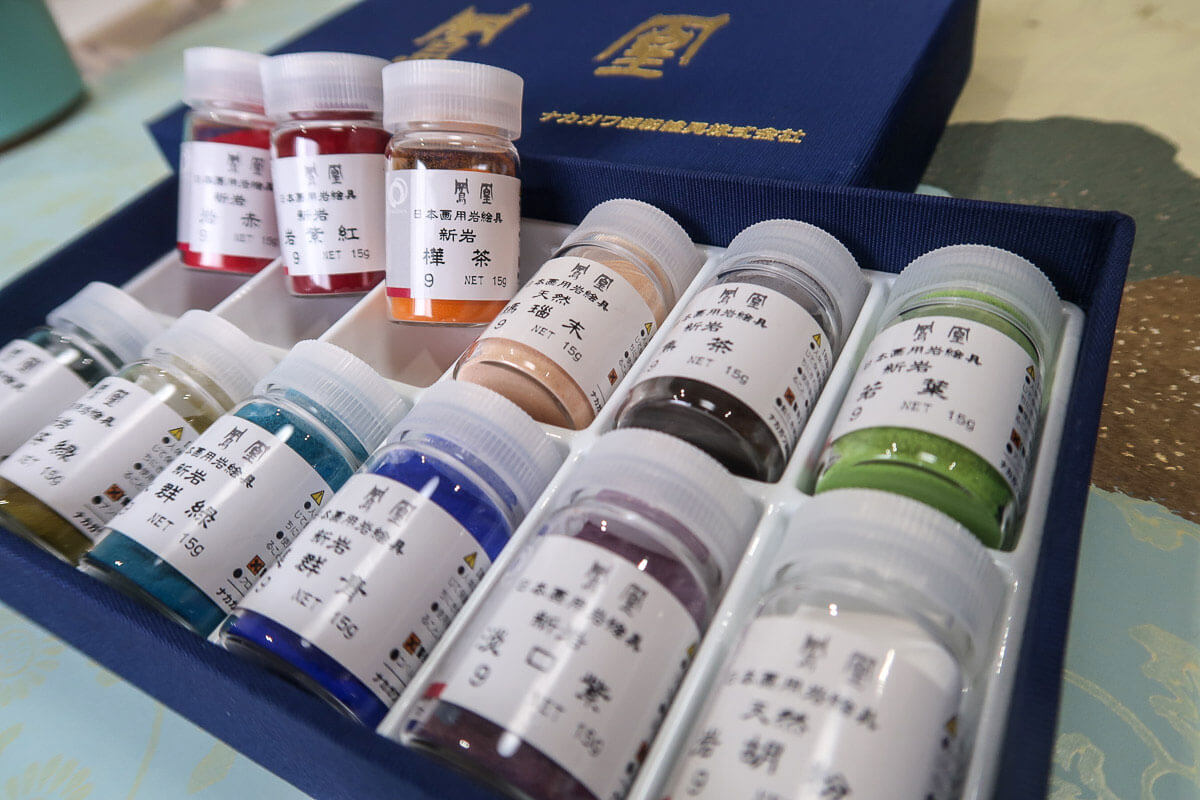
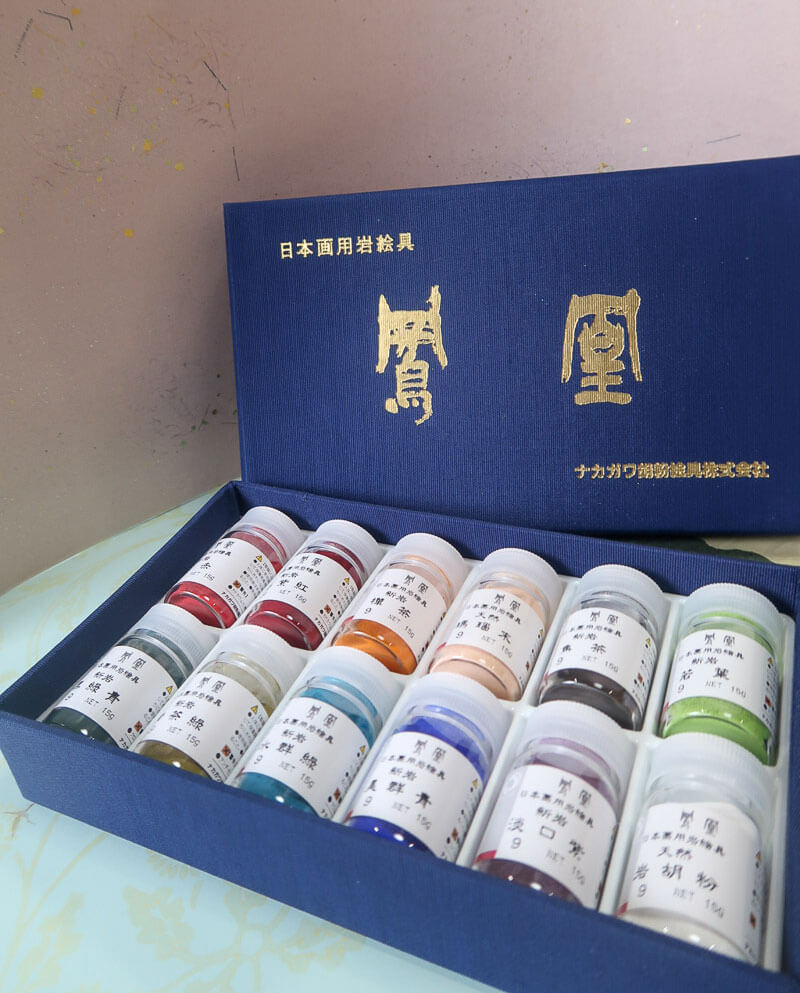
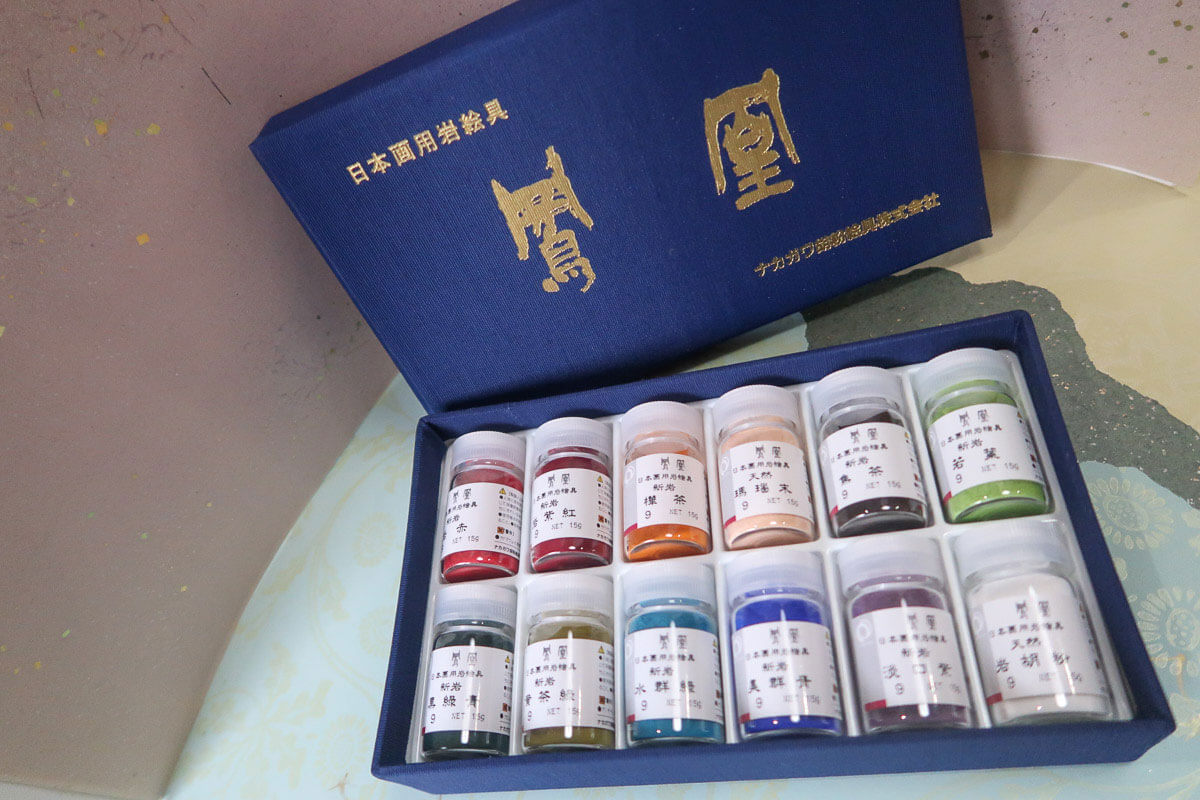
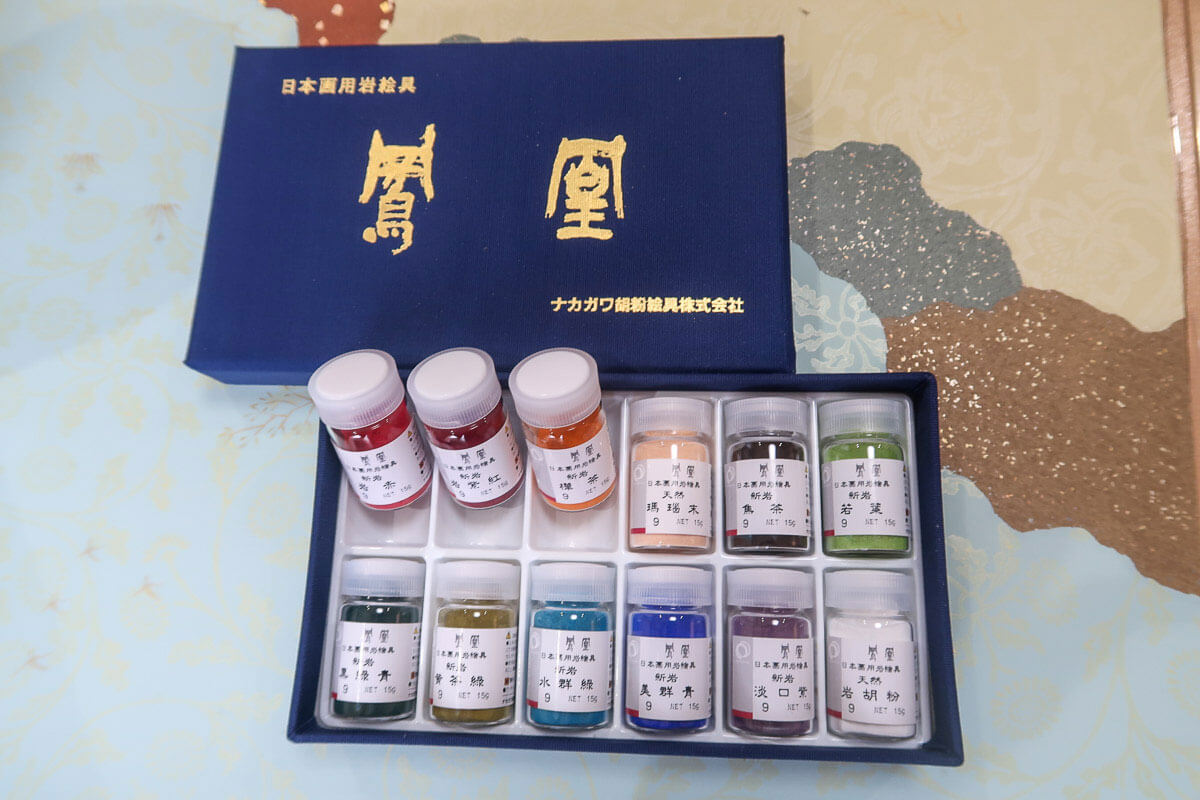
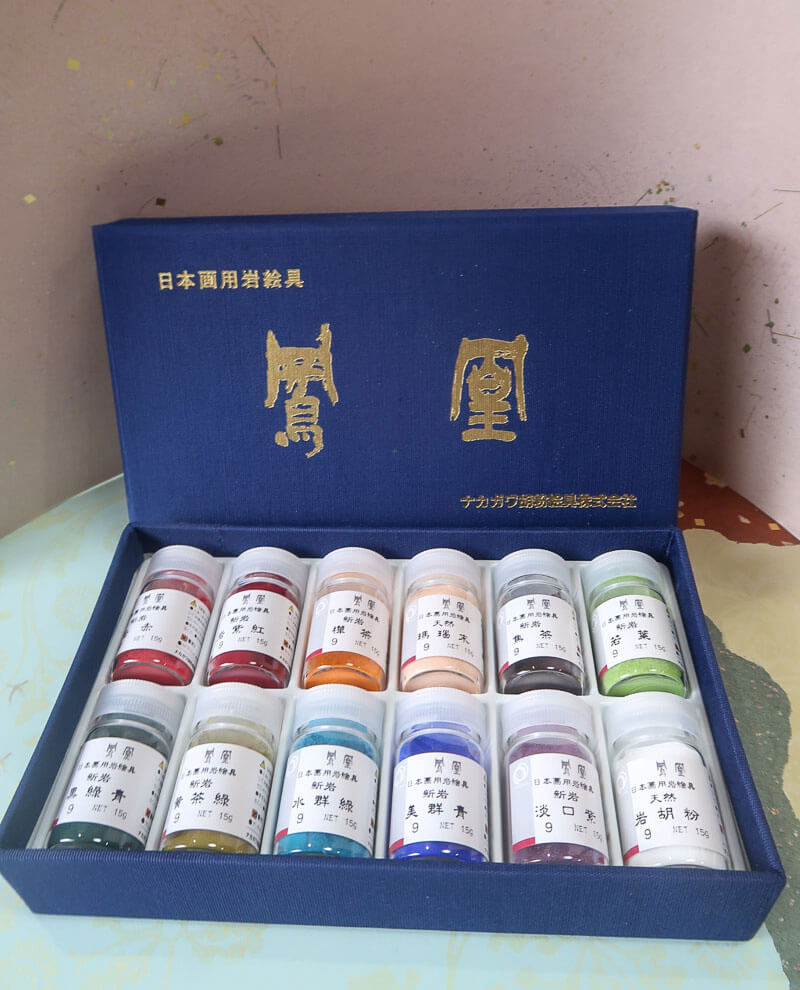
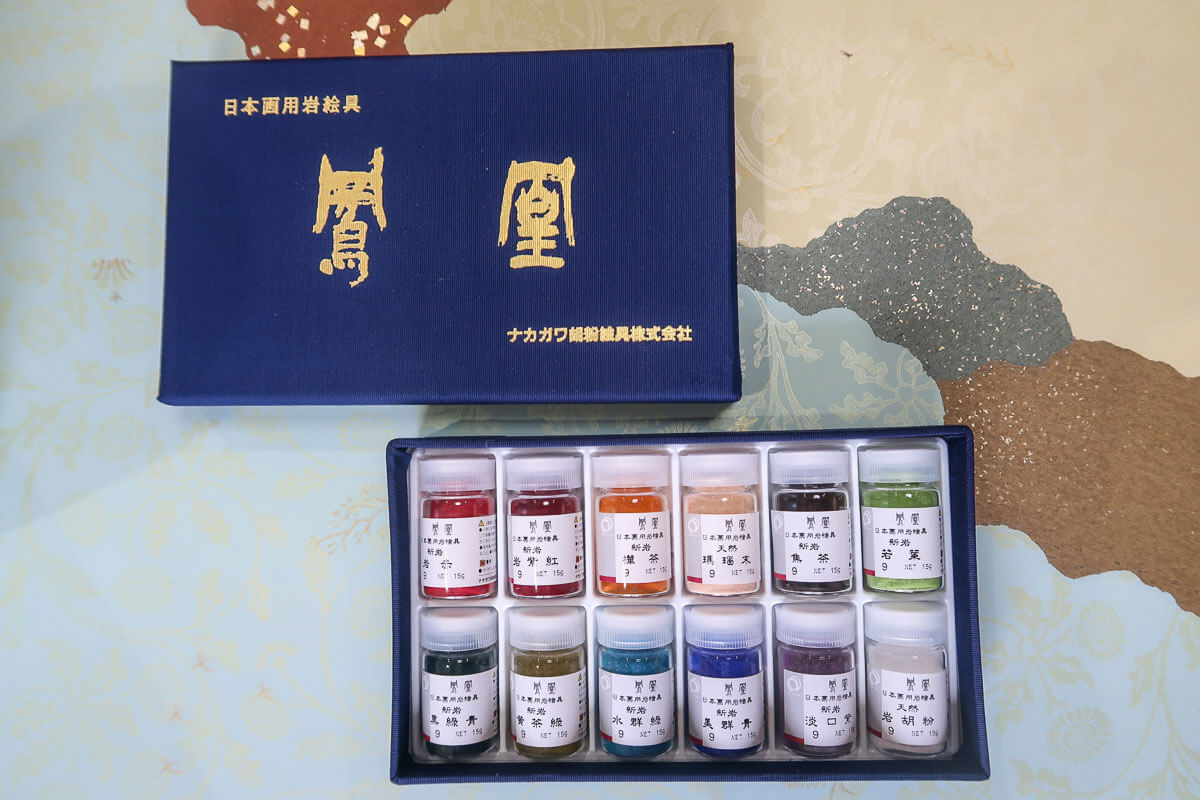
- Each color comes with standard number 9, 15g
- The stamp is the standard number, 0.4 oz (12 g)
- 12 basic colors set with genuine vermilion colors including bright red, blue, yellow and green
- A rich color set with green shades


 All prices are in ¥
 Approximated $
Reviews
There are no reviews yet.